Table of Contents
When you think of Middle Eastern sweets, your mind probably jumps straight to baklava. Layers of crisp phyllo, chopped nuts, sticky syrup – it’s a classic for a reason. But there's an entire universe of deliciousness waiting to be explored, and right at the heart of it sits the glorious arabic sweet cheese dessert. Forget everything you thought you knew about dessert; these aren't your grandma's cheesecake. They're a unique blend of textures and temperatures – hot, gooey cheese meeting crisp pastry and fragrant syrup. The most famous player in this game is undoubtedly Kunafah, but it's just one star in a constellation of treats where cheese takes center stage in the most unexpected and delightful way. This article will pull back the curtain on this fascinating category, exploring exactly what constitutes an arabic sweet cheese dessert, breaking down the essential components, walking you through the process of making one yourself, and introducing you to some equally compelling cousins like Halawit El Jibn. Get ready to expand your dessert horizons.
Beyond Baklava: Exploring Arabic Sweet Cheese Desserts
Beyond Baklava: Exploring Arabic Sweet Cheese Desserts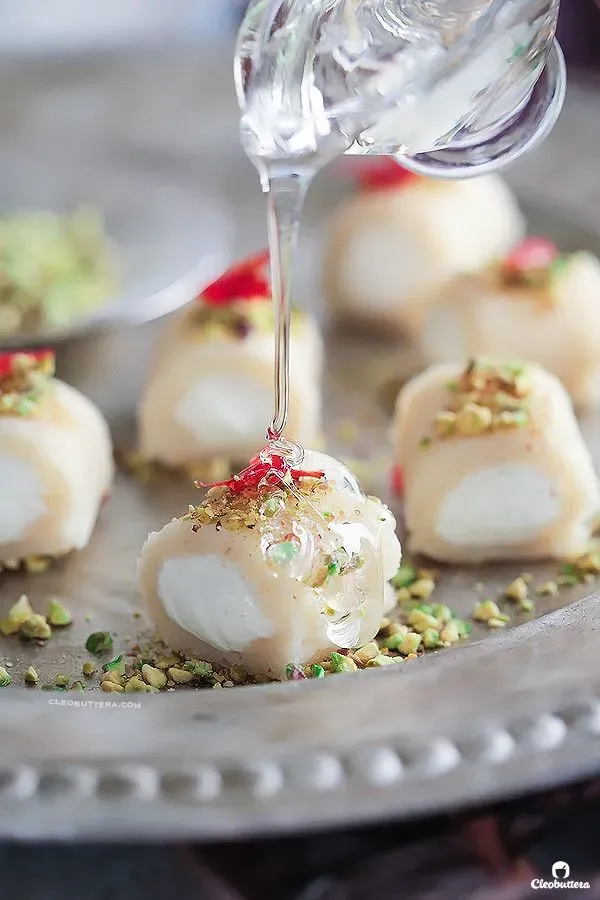
More Than Just Phyllo and Nuts
let's be real. Everyone knows baklava. It's the poster child of Middle Eastern sweets, right up there with maybe halva or dates. And look, no shade on baklava, it's great. But sticking only to that is like saying you know all of American dessert because you've had apple pie. There's a whole wild world out there, and a big chunk of it involves cheese. Yes, cheese. In your dessert. We're talking about the fascinating category of arabic sweet cheese desserts, and trust me, it's a game changer. It sounds maybe a little odd at first if you're used to cheese only showing up on a charcuterie board or in a savory dish, but in this part of the world, they figured out how to make it sing in perfect harmony with sugar and pastry.
The Unexpected Star: Cheese in Dessert
So, what kind of cheese are we talking about? Not cheddar, thankfully. The magic often happens with fresh, mild cheeses that melt into a glorious, stretchy, gooey layer when heated. Think along the lines of a fresh mozzarella, but specifically crafted for this purpose. This cheese isn't meant to be salty or sharp; its job is to provide that incredible, yielding texture that contrasts beautifully with crisp dough. It's the secret weapon that elevates these sweets from merely sugary to something truly memorable. When you get a bite of warm, syrupy pastry followed by that hot, soft cheese pull? That's the moment the "Beyond Baklava: Exploring Arabic Sweet Cheese Desserts" mission becomes intensely personal.
Common Cheeses Used:
- Akkawi (The traditional champion, slightly brined)
- Nabulsi (Similar to Akkawi, often with nigella seeds)
- Sweet Cheese (Specifically made for desserts, very mild)
- Sometimes Ricotta or Mozzarella (As easier-to-find substitutes)
Kunafah: The Iconic Arabic Sweet Cheese Pastry
Kunafah: The Iconic Arabic Sweet Cheese Pastry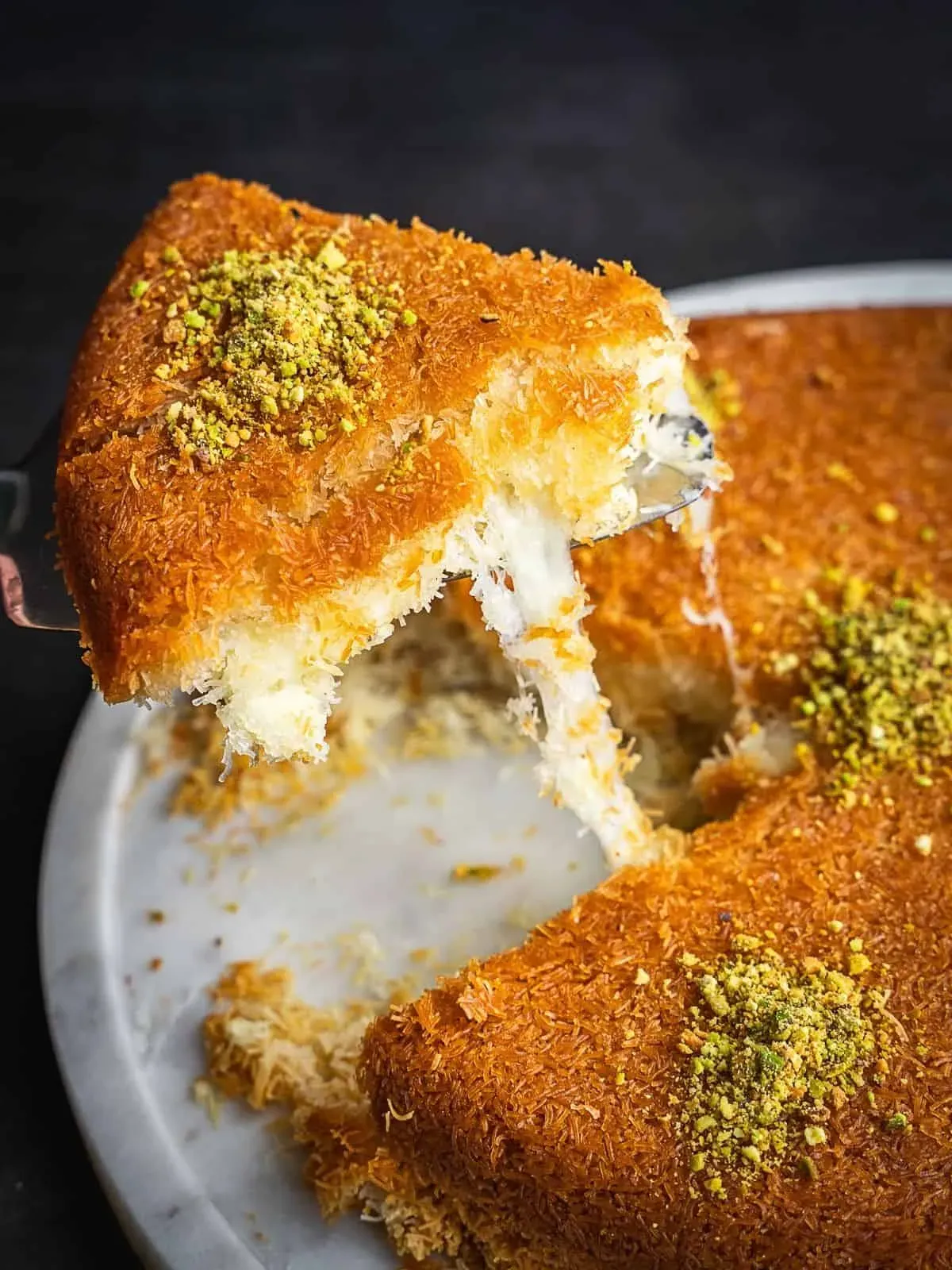
Meet the Legend: Kunafah
Alright, if arabic sweet cheese dessert was a royal court, Kunafah would be sitting right on the throne, probably wearing a crown made of crushed pistachios. This isn't just *a* dessert; it's *the* dessert for so many people across the Middle East and beyond. Walk down any street in a place like Jordan, Palestine, or Syria, and you'll likely catch the irresistible smell of hot, bubbling Kunafah wafting from a shop. People gather around, watching the magic happen – the giant round trays, the vibrant orange hue from the food coloring or butter, the final dramatic pour of syrup. It's more than just food; it's an experience, a ritual, a reason to pause and indulge.
Anatomy of a Kunafah
So, what exactly makes Kunafah, well, Kunafah? At its core, it's a layering game. You start with shredded phyllo dough, often called kataifi or kunafa dough. This gets drenched in melted butter and forms the crispy base and top layers. The real star, though, is the cheese layer sandwiched in between. Traditionally, this is Akkawi or Nabulsi cheese, soaked to remove excess salt, which then melts into this incredible, stretchy, pull-apart texture when heated. Sometimes ricotta or a sweet cheese is used, especially for variations or when traditional cheese is hard to find. Finally, after it's baked or cooked on the stovetop until golden and crispy, a flood of simple sugar syrup, often flavored with rose water or orange blossom water, gets poured over the top. The sizzle is part of the show.
- Key Kunafah Components:
- Shredded Kataifi/Kunafa Dough (Crispy base and top)
- Melted Butter (For crisping the dough)
- Sweet Cheese (The gooey, melty heart)
- Simple Syrup (Sweetness and moisture)
- Optional flavorings (Rosewater, orange blossom water)
- Garnish (Crushed pistachios are classic)
The Moment of Truth: Eating Hot Kunafah
Eating Kunafah isn't something you do lukewarm. Oh no. It's meant to be served piping hot, right when the cheese is at maximum stretchiness and the syrup has just soaked in. You cut into it, lift a piece, and watch that glorious cheese pull defy gravity for a second before succumbing. The contrast is everything: the shatteringly crisp dough against the soft, yielding cheese, all bathed in that fragrant, sweet syrup. It's intense, it's rich, and it's utterly addictive. Trying to eat just one small piece is a fool's errand. You've been warned. It’s the kind of dessert that silences conversations, at least until someone groans with pleasure.
Decoding the Ingredients: What Makes These Desserts Sing?
Decoding the Ingredients: What Makes These Desserts Sing?
The Building Blocks of Bliss
So, you're probably wondering, what exactly goes into conjuring up this magical arabic sweet cheese dessert experience? It's not just throwing some cheese and sugar together and hoping for the best. There's a specific alchemy at play, relying on a few key players that work in concert. The real heroes are the cheese, the pastry dough, and that all-important syrup. Get these right, and you're well on your way to dessert nirvana. Mess them up, and, well, you get a soggy, sad imitation that nobody wants.
Making Arabic Sweet Cheese Desserts at Home
Making Arabic Sweet Cheese Desserts at Home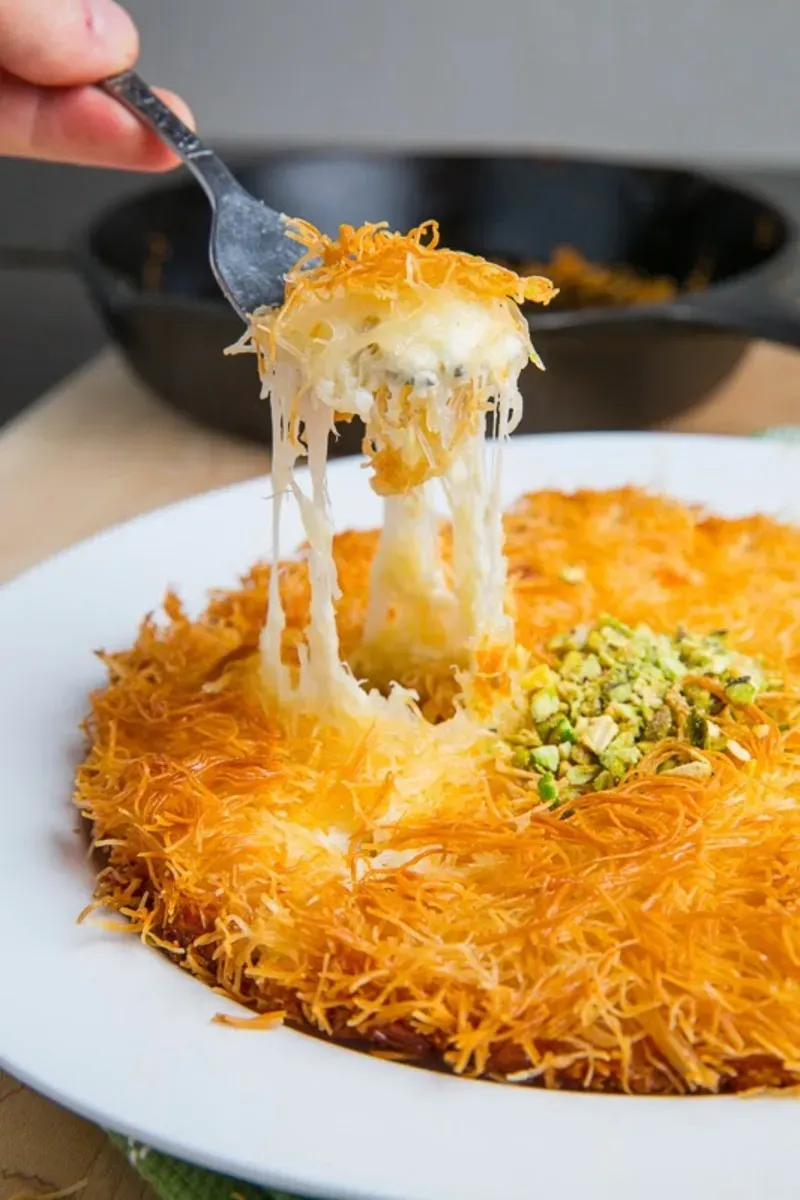
Bringing the Bakery Home
so you've tasted this stuff, maybe even watched someone make it in a shop, and now you're thinking, "Can I actually pull this off in my own kitchen?" The answer is a resounding yes. While it might seem intimidating at first, especially if you're dealing with specialty ingredients like Akkawi cheese or kataifi dough for the first time, Making Arabic Sweet Cheese Desserts at Home is totally achievable. It requires a bit of patience, sure, particularly with soaking cheeses or handling delicate dough strands, but it's not rocket science. Think of it less as a daunting culinary challenge and more like assembling a delicious puzzle. You layer the buttered dough, spread the cheese, top with more dough, bake, and then the grand finale: the syrup pour. The biggest hurdle for many is sourcing the right cheese and dough, but with increasing availability online and in international markets, it's becoming much easier.
Feeling brave enough to try Making Arabic Sweet Cheese Desserts at Home?
Halawit El Jibn and Other Variations of Arabic Sweet Cheese Dessert
Halawit El Jibn and Other Variations of Arabic Sweet Cheese Dessert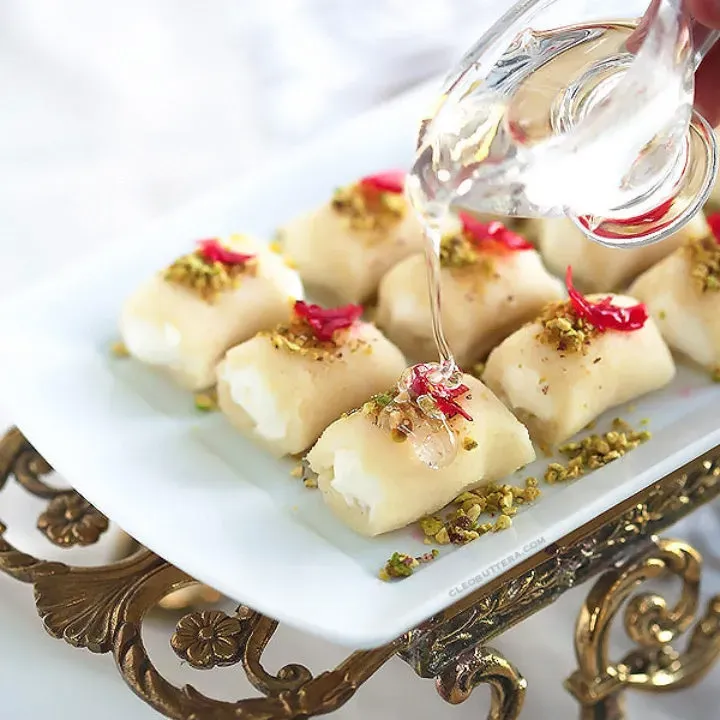
Meet Halawit El Jibn: The Silky Smooth Cousin
While Kunafah might be the king, Halawit El Jibn is the sophisticated royal advisor, perhaps. This is another absolute stunner in the world of arabic sweet cheese dessert, and it’s a completely different experience from Kunafah's crisp layers. Halawit El Jibn translates literally to "sweetness of cheese," and that's exactly what it is. It's made from a dough of cheese and semolina cooked together until smooth and pliable. This warm, slightly stretchy dough is then rolled out, filled with a rich clotted cream called Qashta or Ishta, and rolled up like little logs. It’s then sliced and soaked in that same fragrant syrup, often garnished with pistachios and sometimes rose jam. The texture is incredibly soft and smooth, a gentle chewiness from the dough giving way to the creamy filling.
Exploring the Wider Family of Arabic Sweet Cheese Dessert
The beauty of arabic sweet cheese dessert doesn't stop at Kunafah and Halawit El Jibn. There are regional variations and lesser-known gems out there. Think of desserts using different cheese types, or different doughs, or even different cooking methods. Some might use a simple farmer's cheese, others a blend. The syrup flavors can change too – maybe a touch of cardamom, saffron, or even just plain sugar syrup without the floral notes. Each variation offers a slightly different take on the core concept: the delightful pairing of warm, sweet cheese with something textural, all drenched in syrup. It proves that when you find a good thing, like putting cheese in your dessert, people get creative with it.
Beyond the Big Names:
- Mushabbak (Sometimes includes cheese in the batter, fried lattices)
- Qatayef (Pancakes often filled with sweet cheese and fried or baked)
- Certain types of Osmalieh (Similar to Kunafah but can have different fillings)
Beyond the Syrup: The Lasting Impression of Arabic Sweet Cheese
We’ve peeled back the layers on the arabic sweet cheese dessert, moving past the automatic association with just Kunafah. These aren't simple sugar bombs; they represent a fascinating interplay of textures and flavors, where the savory depth of cheese meets the sweetness of syrup and the crispness of pastry. Understanding the roles of ingredients like akawie and kataifi, and appreciating the process involved, reveals why these desserts hold such a firm place in Middle Eastern culinary tradition. From the stretchy pull of a perfect Kunafah slice to the delicate roll of Halawit El Jibn, the category offers a range that deserves exploration. Next time you're looking for a dessert that offers something genuinely different, bypassing the usual suspects might just lead you to a new favorite.